Showing posts with label Avocados. Show all posts

Friday, November 4, 2011

Back door food imports


Bad news for Australians imported toxic frost products from New Zealand
Souerce: Yahoo 7 news

                                  Avocadoes.photo: Getty

Fears for avocado industry

Growers say supermarkets have taken away the consumers' rights to buy Aussie products by only stocking imports.


New Zealand has become the back door for Asian produce to get here, and the process is raising further concerns for the health of Australian shoppers and farmers.

We hate losing to them on the sporting field, but when it comes to business there's no competition, and we're copping a hammering.

Now, thanks to a loosening of quarantine laws, the Kiwis are enjoying a free kick.
More stories from Today Tonight
Apple growers can expect a $130 million hit this year, thanks to food imports from China and New Zealand.

Now avocados growers are facing oblivion thanks to cheaper Kiwi imports, and our major grocery chains turning their backs on Australian farmers.

New South Wales avocado grower Christina Culross’ livelihood is on the line thanks to the obsession of grocery chains to keep dropping prices.

                               Australia’s best grocers

She's calling on the public to reject the imported Kiwi avocados and send a message to Government and supermarkets.

According to Culross, in two weeks’ time, every supermarket in the eastern states would have switched to New Zealand fruit. “We're still picking for the next few weeks, and there are plenty of other growers in New South Wales who will be picking until Christmas,” she said.

“So to put it in perspective ... this year is a bumper crop for us. We hope to produce 90,000 trays of avocados and New Zealand are exporting three million trays to Australia between September and January, so we are up against a tsunami of avocados.”

Today Tonight's latest food stories
Ausbuy’s Lynne Wilkinson says Australian consumers are being duped, and calls on all the supermarket chains to be upfront and declare the real reasons they're stocking New Zealand avocados instead of home-grown varieties.

“These imports are coming in when our dollar is high, so they're cheap, they're probably subsidised by their own Governments, and the consumer is not necessarily going to get the benefit. The retailer is probably going to take the profit difference between buying an Australian good and a cheap import,” Wilkinson said.

“There seems to be a lot of food coming in from New Zealand (but) New Zealand doesn't actually grow as much as is coming out of it. Our manufacturers (like Heinz and McCains) have closed here, to open factories there. So they're no longer sourcing from our farmers, they're sourcing from New Zealand, or the product is coming in from China and being processed to New Zealand.”

Two thirds of the frozen vegetables in fridges are now sourced from foreign investors.

Coles claims to be stocking avocados in their Western Australia and South Australia stores but due to supply shortages they have to import New Zealand avocados. Woolworths claim to stock avocados in their South Australia, Western Australia, Northern Territory and Queensland stores.
Not good enough, says Ausbuy.
Response statements

  • Woolworths:
100 per cent of fresh meat and 97 per cent of fresh fruit and vegetables sold in Woolworths is Australian grown. We only import produce when we cannot get the supply domestically, usually when produce is out of season in Australia. An example of this is that lemons are in demand all year round but we are not able to get supply from Australia all year so in the 'off season' we source lemons from overseas.

When it comes to private label grocery products our preference is to use Australian suppliers and to only import private label products where a domestic supplier does not tender, we cannot get the quality or supply at home or secure products at a price that our customers would be willing to pay.

Traditionally, the domestic avocado season runs from May to October during which time 100 per cent of fruit stocked at Woolworths comes from Australia. As Australian supplies reduce we usually begin switching to NZ avocadoes, however, this year our growers underestimated supply and had a surplus of fruit on the market.

We have sent the remaining stock of domestically grown avocadoes (including some of the surplus fruit) to Woolies stores in Queensland, South Australia, Western Australia and the NT. As such, we are the only major retailer to be currently supplying Australian avocadoes to Queenslanders.

  • Coles:
Coles has an Australian-first sourcing policy, and about 96 per cent of all the fresh produce we sell is Australian.

Contrary to the implication in your second question (How many of your private label products were once sourced from Australian farmers, and now are imported from overseas?), we are not increasing imports, of either fresh produce or packaged private label product – quite the opposite. In fresh produce, we have an import replacement program, where we work with Australian growers to extend local growing seasons, reducing the need to import fresh produce. I’ve attached some case studies for further information.

In the case of packaged private label products, the attached press release outlines the fact that Coles brand has more products with the Australian Made logo than any other brand. We are also the only Australian supermarket to offer a private label Australian Grown frozen vegie range.

Our avocado sourcing this year is no different to previous years. We are currently sourcing Australian avocados for all our WA and SA stores (sourced from within those two states respectively). From March to September, we source avocados for all Coles stores from Bundaberg in Queensland. Between September and February, we are not able to source sufficient commercial quantities of Australian avocados, and so fruit is sourced from New Zealand during this period. We’ve had conversations with Avocados Australia to look at opportunities to source even more Australian avocados in the future.

Friday, October 28, 2011

Fruits with Healing Benefits

This information about fruits with healing benefits is for everyone to prevent your health

Source: Yahoo 7 News


photo by


Many fruits deliver more than just good taste; they can help prevent and cure conditions and boost your overall health and wellbeing. Here's a list of some superfruits that pack quite a nutritional punch and whole lot of health benefits!

Want to know more about the healing power of foods? Buy The Doctors Book of Food Remedies today!


photo by
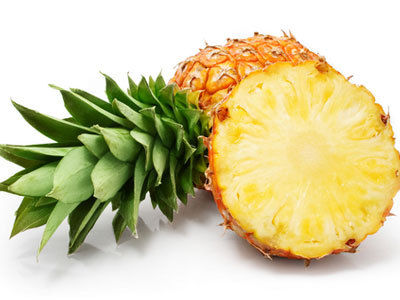
PineappleIn lab and human studies, bromelain, an enzyme extracted from pineapple, eased the swelling and inflammation associated with rheumatoid arthritis, tendonitis, bursitis, soft-tissue injuries, inflammatory conditions in the colon and even chronic pain.Pineapple is also a rich source of vitamin C, and it contains substances that keep bones strong and promote digestion. One cup of pineapple chunks, for example, contains about 24 mg of vitamin C. Juice is even better: a glass of pineapple juice contains 60 mg of C.

photo by
ApplesPut away the peeler, and eat your apples with the peel intact. “The peel contains three- quarters of the fibre and most of the antioxidants in the apple,” says Wendy Davis, RD, director of communications and consumer health for the US Apple Association. Cornell University food scientists who tested four varieties of apples found that the peels better inhibited the growth of cancer cells than the rest of the apple. As a result, apple peels “may impart health benefits when consumed and should be regarded as a valuable source of antioxidants,” the researchers wrote

photo by
GuavasOne cup of guava has nearly five times as much skin-healing vitamin C (a key ingredient in collagen production) as a medium orange (377 mg versus 83 mg)—more than five times your recommended daily intake. Women who eat a lot of vitamin-C-packed foods have fewer wrinkles than women who don’t eat many, according to a recent study that tracked the diets of more than 4,000 women aged 40 to 74. You’ll also get bacteria-busting power. Guava can protect against foodborne pathogens such as listeria and staph, according to research by microbiologists in Bangladesh. And a study by Thai scientists and the US Department of Agriculture found that guava has as much antioxidant activity as some well-known superfoods, such as blueberries and broccoli.

photo by


LycheesA French study published in the Journal of Nutrition found that, of all fruits tested, lychees had the second-highest level of heart-healthy polyphenols—nearly 15 per cent more than the amount in grapes (considered a ‘king of polyphenols’). “Polyphenols protect your cells by neutralising free radicals in the body. They also keep your arteries flexible and elastic,” says Catherine Saxelby, nutritionist and author of Nutrition For Life ($29.95; Hardie Grant). Lychees are also thought to help protect against breast cancer: A recent test-tube and animal study from Sichuan University in China found that lychees may help prevent the formation of breast-cancer cells, thanks to the fruit’s antioxidant activity.

photo by

ApricotsMost of apricots’ health benefits are due to the same substances that make them look so luscious, their carotenoids. These are the powerful pigments in plants that paint many of our favourite fruits and vegetables red, orange and yellow. Researchers have identified more than 600 carotenoids, and apricots contain some of the most potent—including betacarotene.Women whose diets contain high levels of betacarotene had significantly less risk of coronary-artery disease, according to a study that followed 73,000 women for 12 years, and a significantly lower risk of heart attack, according to another study.

photo by

AvocadosOleic acid, a monounsaturated fat in avocados, can help lower cholesterol. In one study, researchers compared the effects of two low-fat diets, which were identical except that one diet included avocados. Although both diets lowered levels of dangerous LDL (bad) cholesterol, the avocado-inclusive diet raised levels of healthy HDL cholesterol.The fibre in avocados also helps in our cholesterol-lowering quest. Fibre adds bulk to stool, causing it, and the cholesterol it contains, to be excreted from the body more quickly. One avocado packs more fibre—about 10g— than a bran muffin.

photo by

 BlueberriesPacked with antioxidants, vitamin C, manganese and fibre, blueberries boost brain health, improving learning and keeping memory sharp. Look for berries that still have their silver-white surface bloom. This coating signals freshness and helps them retain their juices. Jiggle the punnet: the fruit should move around easily, a sign that no soft or mouldy berries are stuck together. Eat half a cup and you could double your daily intake of anti-ageing antioxidants.

photo by

Nashi PearsOne large nashi pear offers a whopping 10 g of cholesterol-lowering fibre, about 40 per cent of your daily requirement. In a recent US study, people who ate the most fibre had the lowest total and LDL cholesterol levels. The researchers also found that those who ate the most fibre also weighed the least and had the lowest body-mass indexes and waist circumferences.

photo by

 WatermelonSeedy in a good way, watermelons are water-dense (hence their name) and a great source of carbs, too, which help you refuel. An added bonus: this fruit fights nausea.

Want to know more about the healing power of foods? Buy The Doctors Book of Food Remedies today!